1. Describe the product and the use
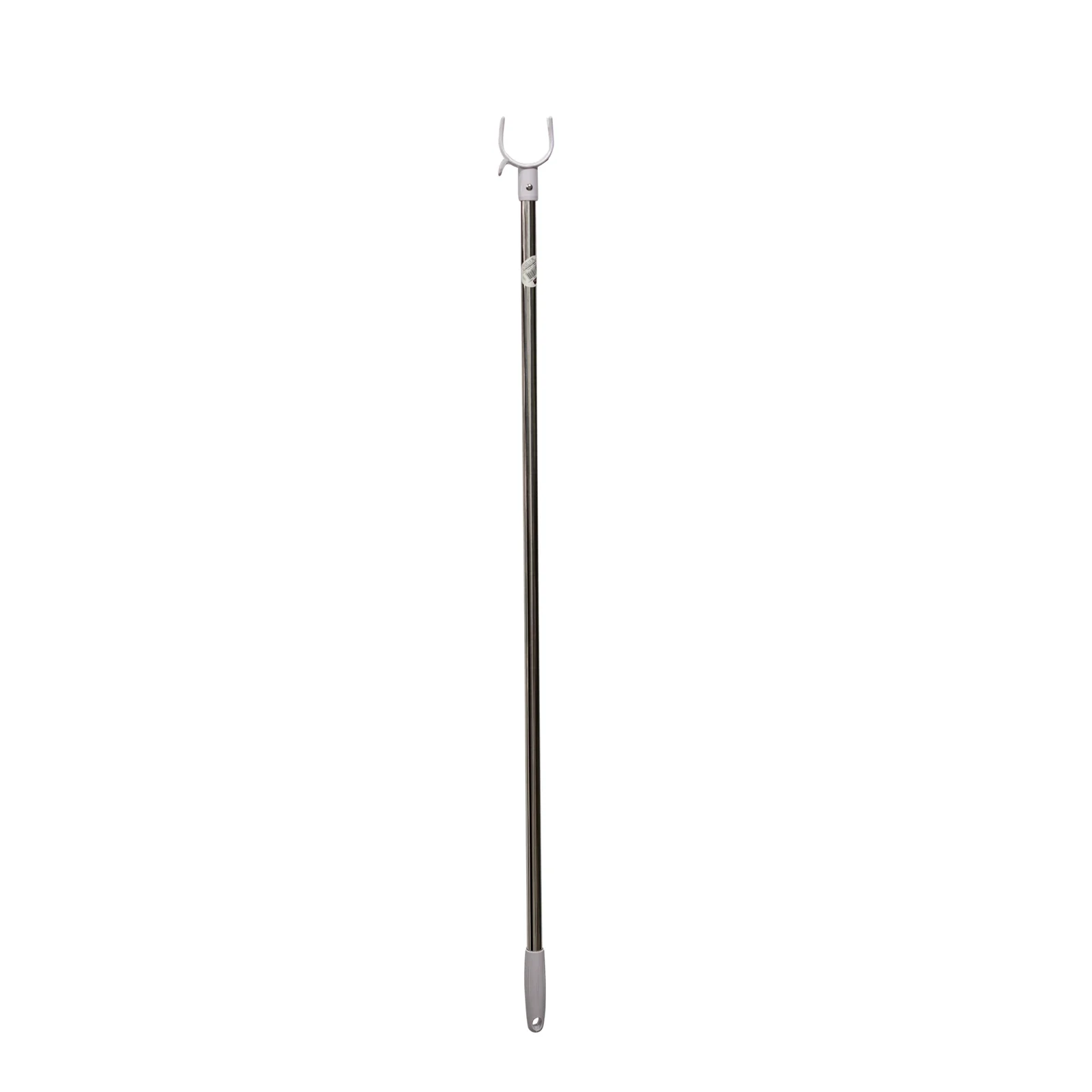
Tell the supplier what the product is intended to do and who will use it. A photograph, existing sample or short specification can help identify the product family and the details you care about.
If you are open to alternatives, say which features must stay the same and which can change. This gives the sourcing team room to propose useful options.
2. Share the destination and priorities
Name the destination market and explain your main priorities: presentation, packing, ease of handling or another feature of the product. Bring any known market or customer requirements into the discussion early.
Do not assume that a supplier can infer these requirements from a product photograph. A few sentences of context can prevent a lengthy exchange built around the wrong assumption.
3. Give a quantity or a range
An estimated quantity helps frame the discussion, but it is fine to say that you are still assessing demand. Explain whether the estimate is for one item or a mixed collection.
Minimum quantities may vary with materials, finishes and packaging. Ask for them to be confirmed as part of the quotation.
4. Include packaging and branding
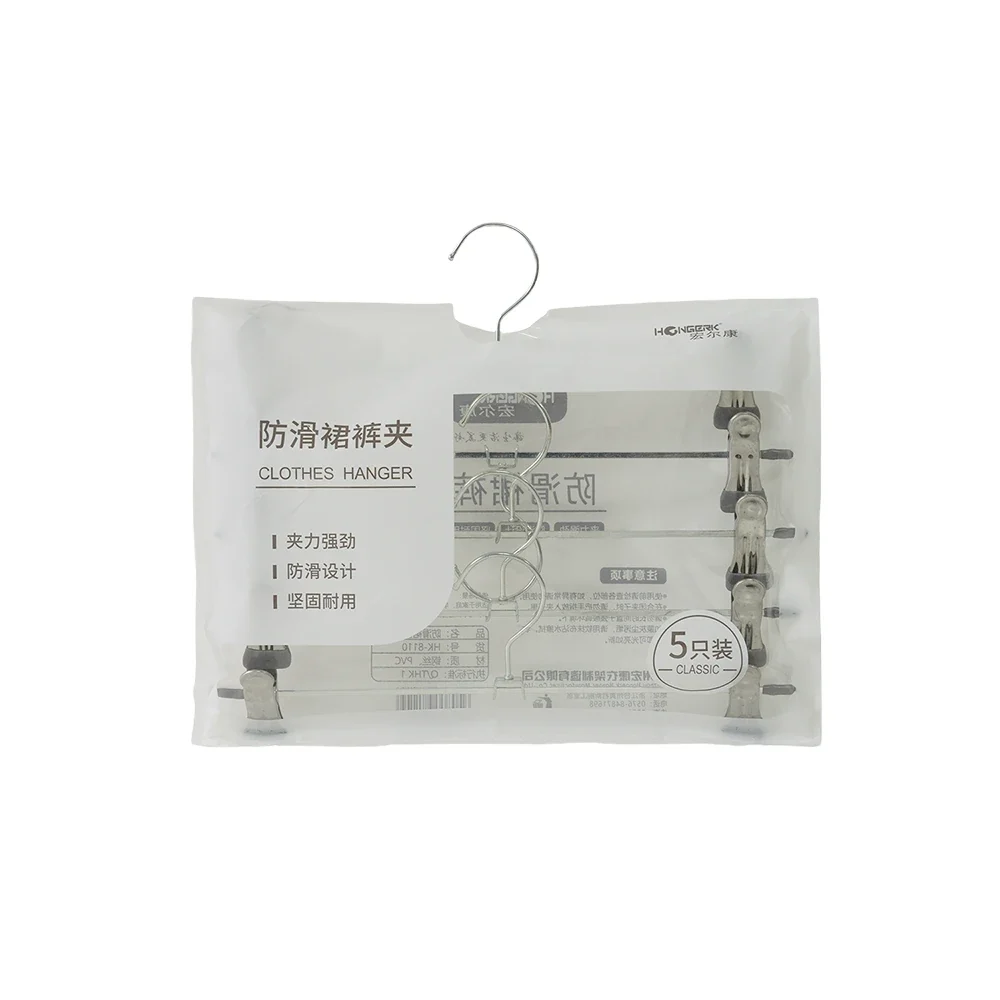
State whether you need a logo, printed label, retail sleeve or a particular carton arrangement. Share available artwork and mark anything that is still a draft.
Packaging is part of the scope and can affect development work, costs and timing. It is easier to discuss alongside product selection than after everything else has been approved.
5. Explain the next decision
Tell the sourcing team what you need next: a comparison of options, sample information or a quotation for a defined specification. Mention any target timing while leaving room to confirm what is practical.
A clear inquiry does not need to answer every question. Its job is to establish a useful starting point for the next conversation.
This guide supports buying discussions. Product specifications, availability and commercial terms are confirmed for each quotation.
 Ask price on WhatsApp